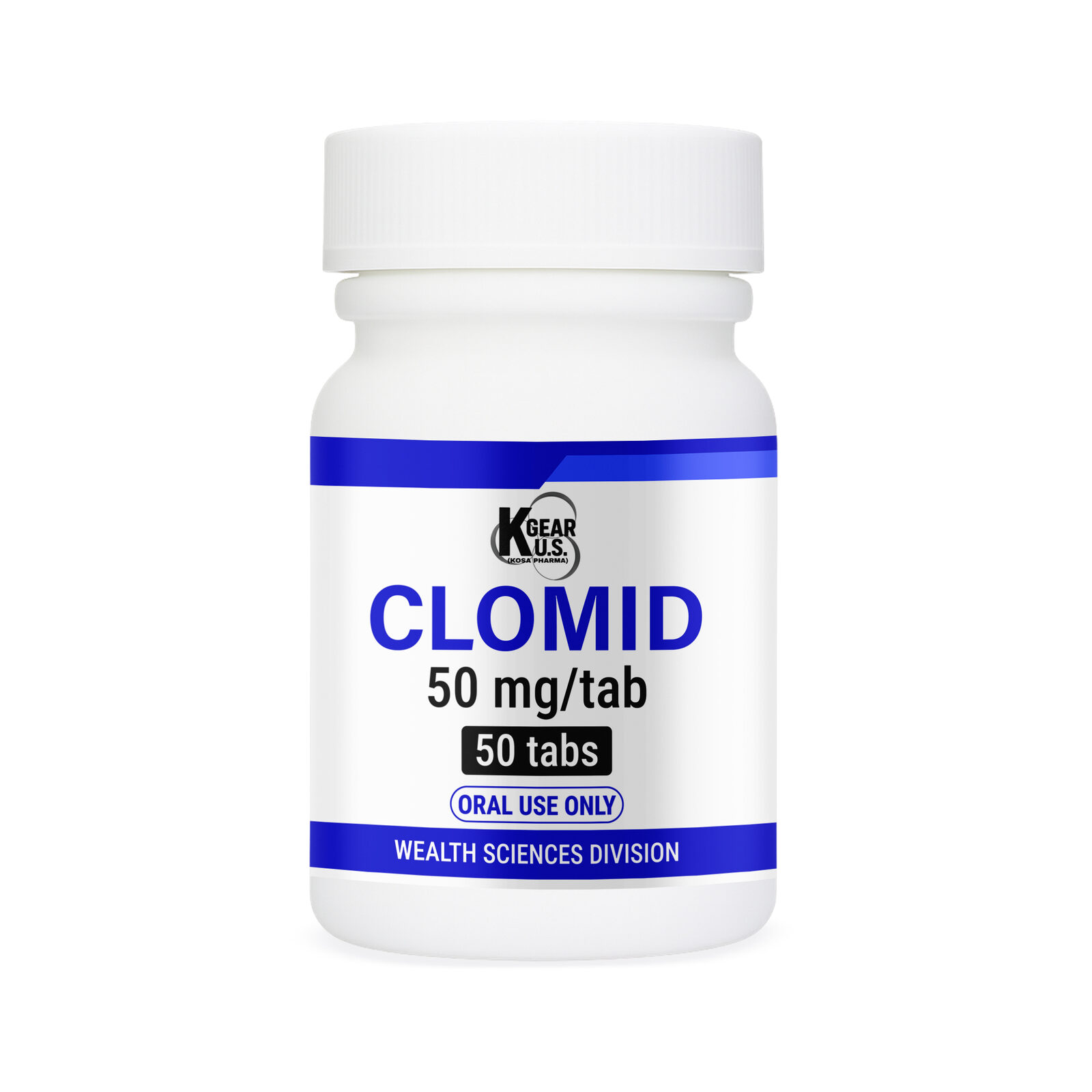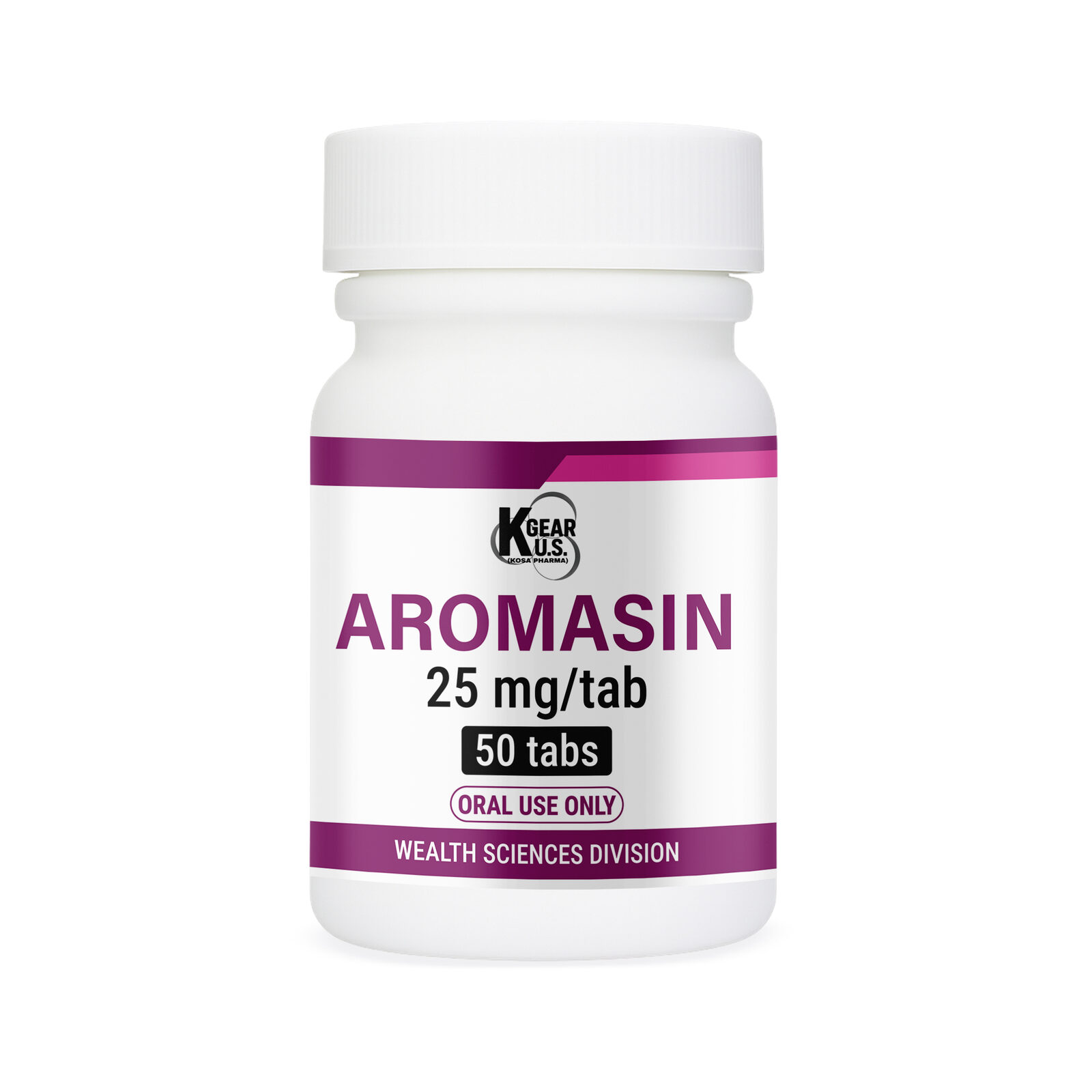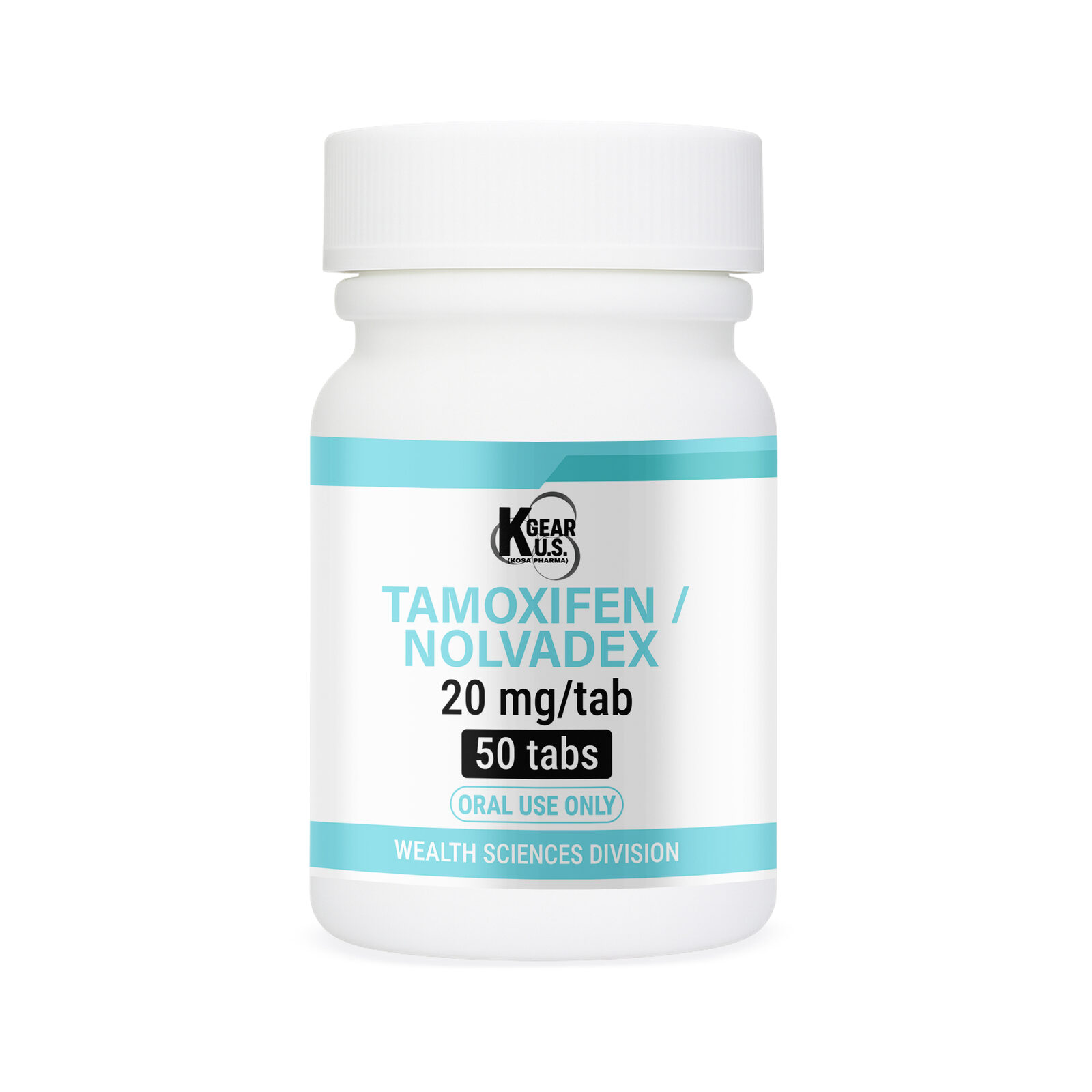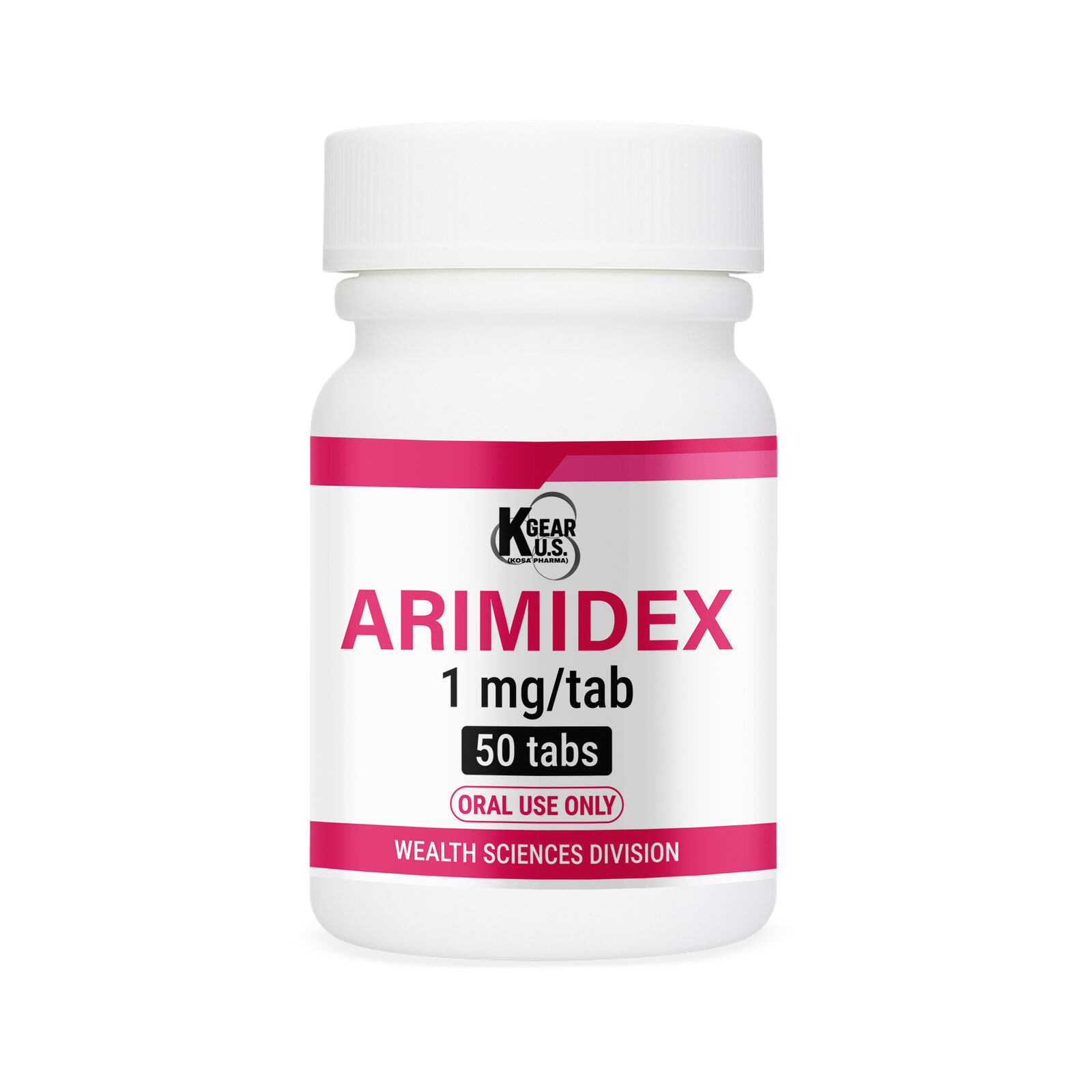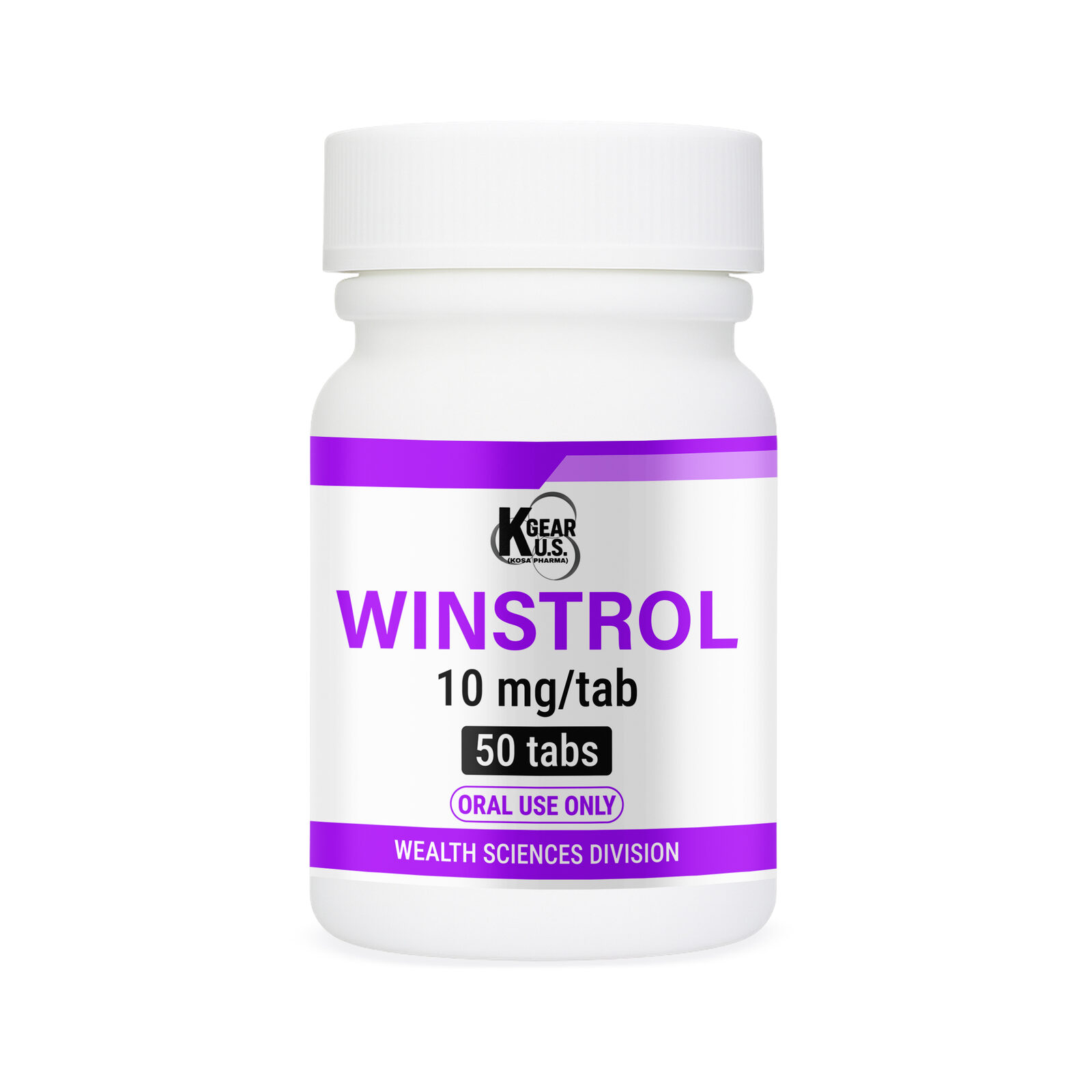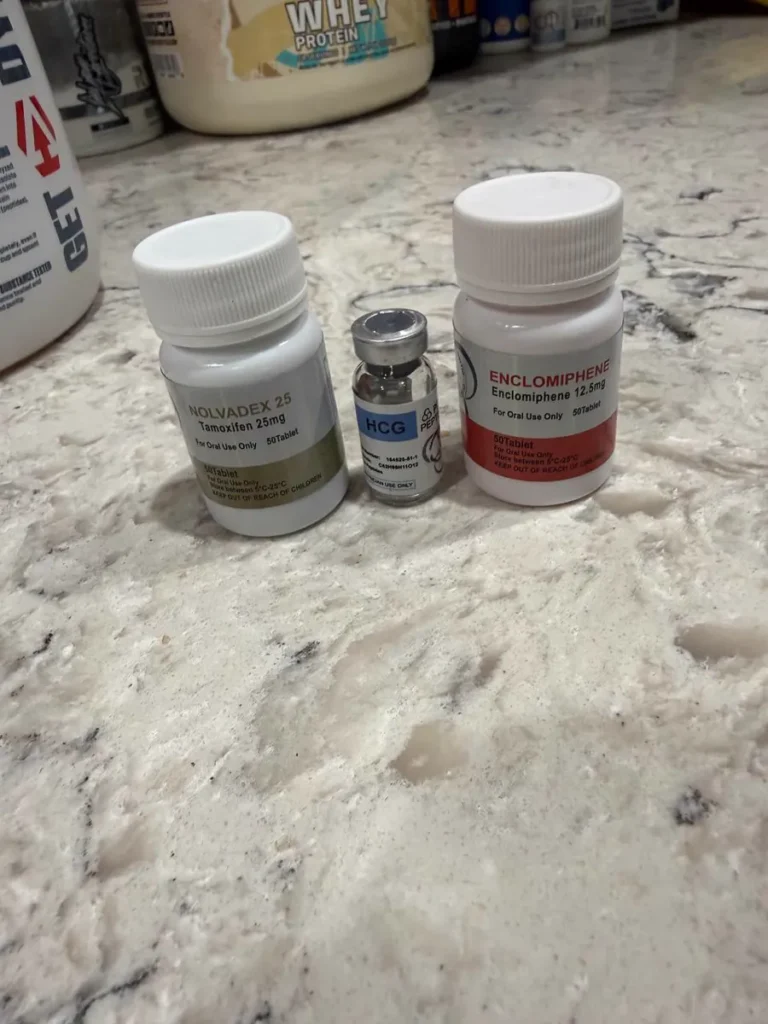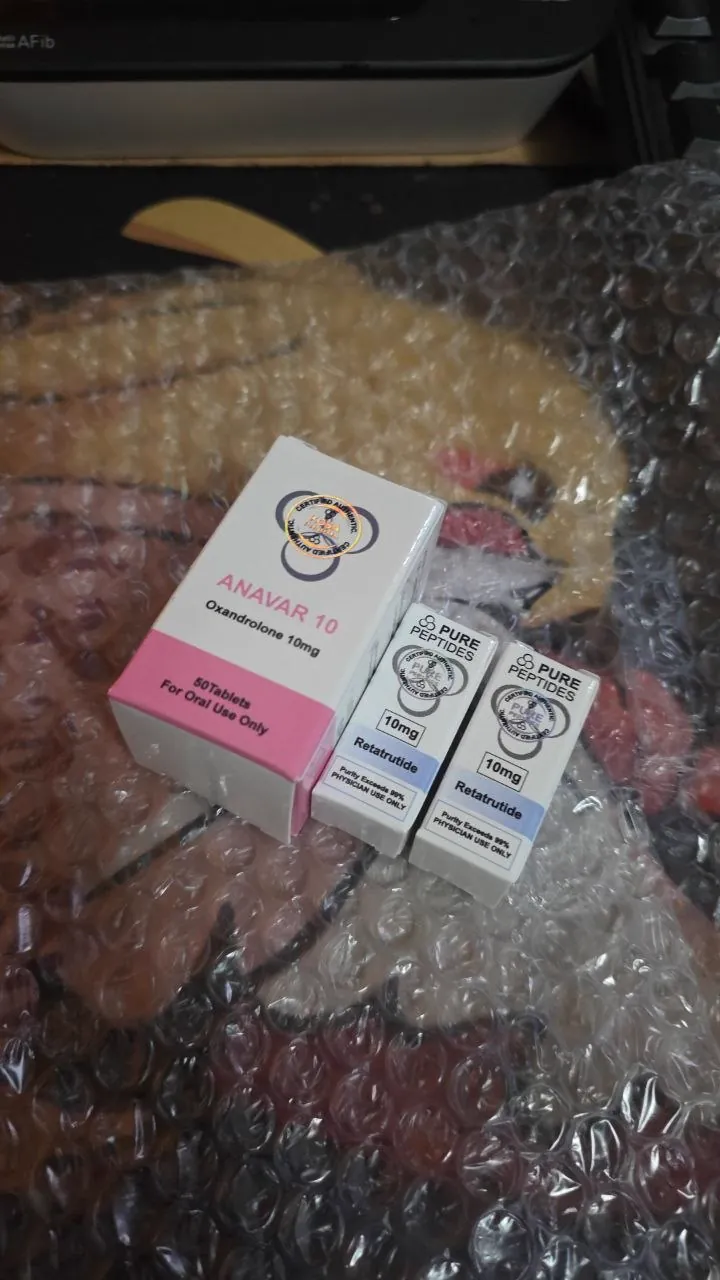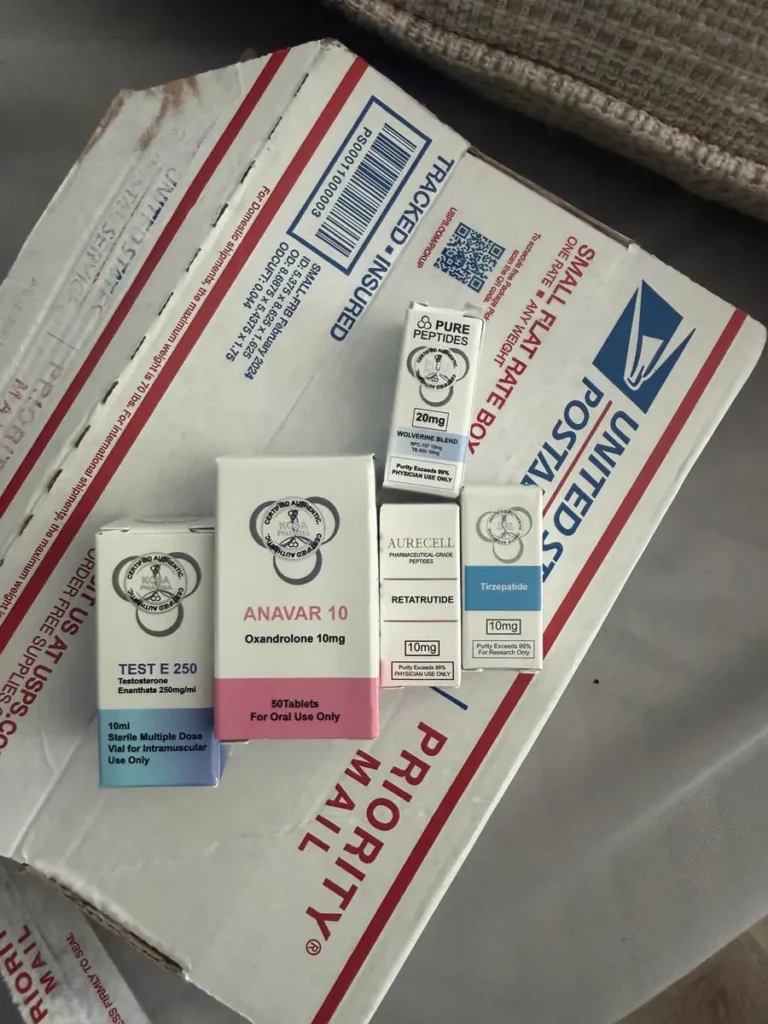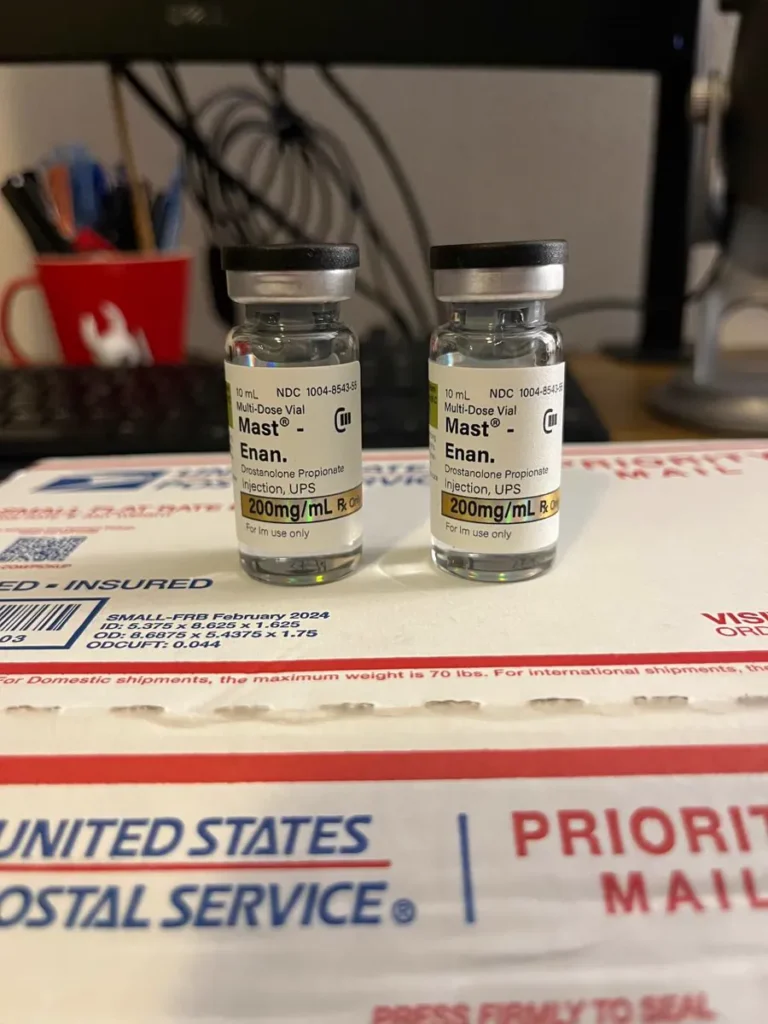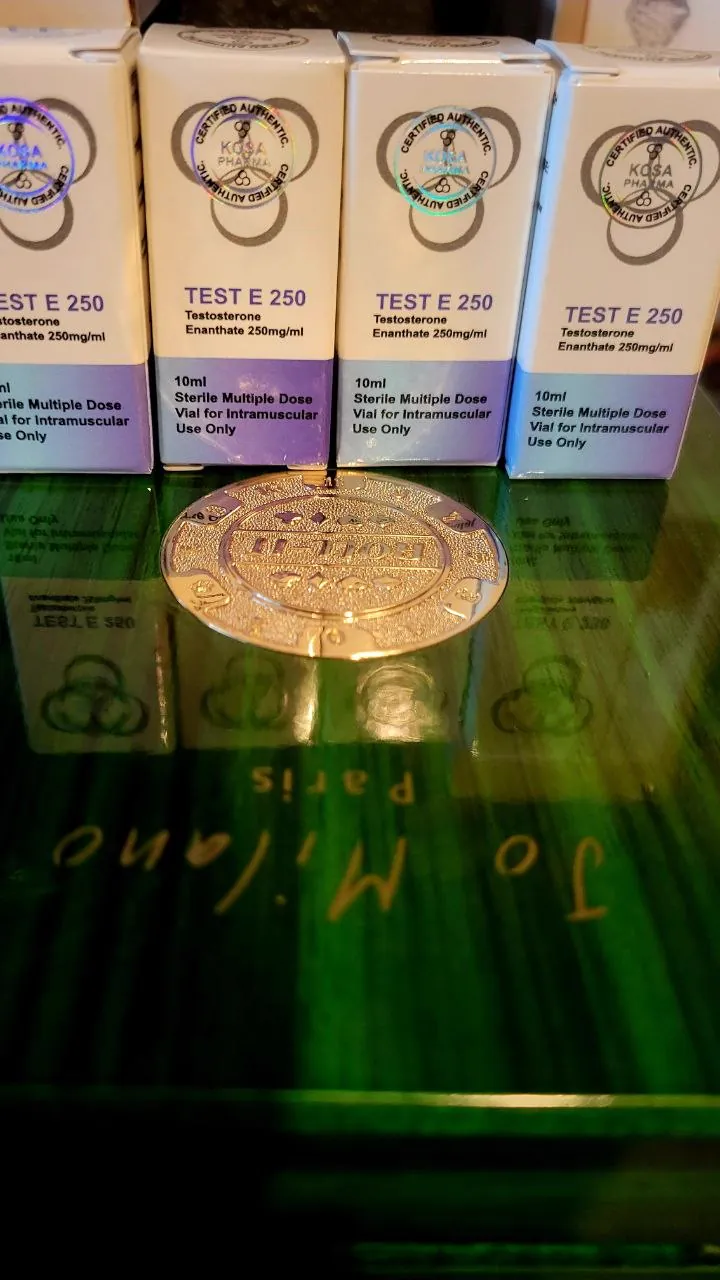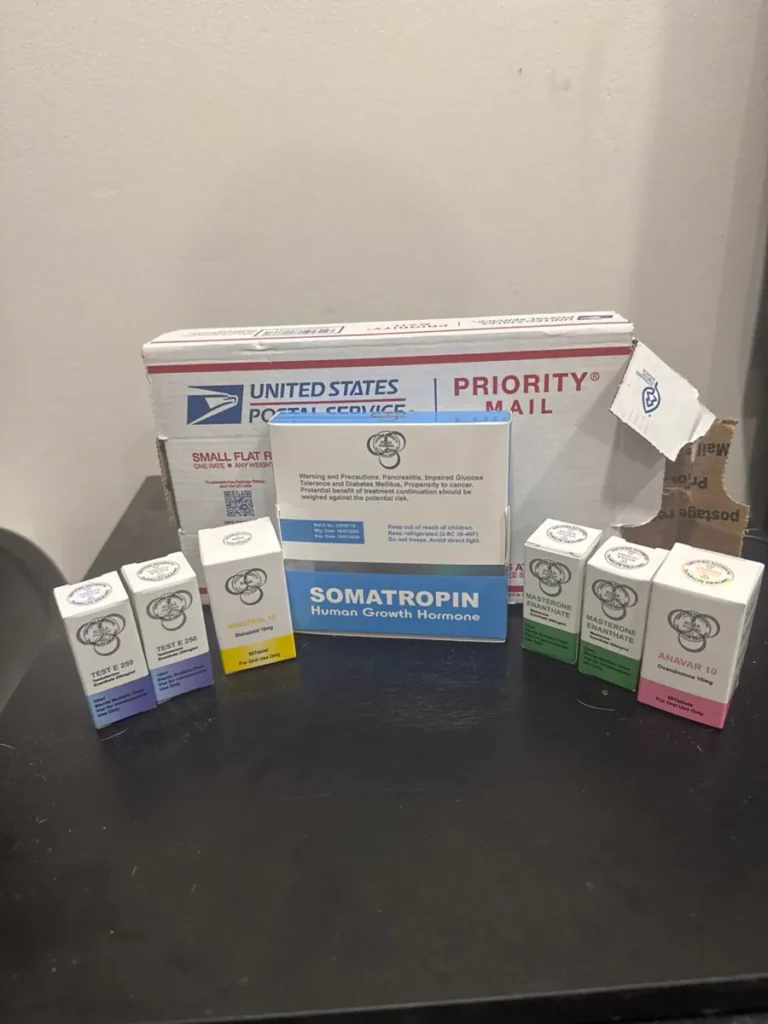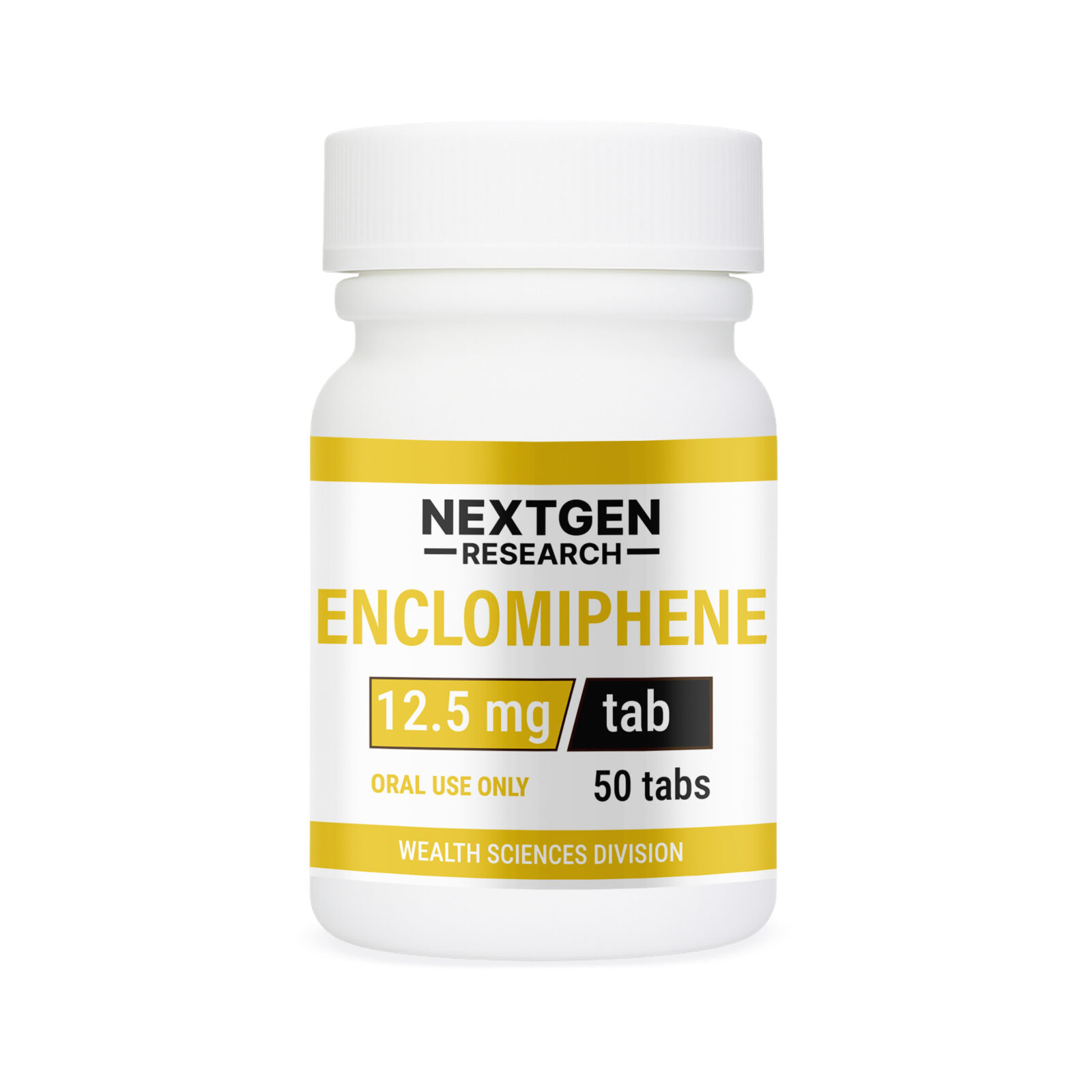
Enclomiphene 12.5 mg/tablet, 50 tablets per pack. Supports natural testosterone production, energy, and vitality. Ideal for men seeking hormonal balance and enhanced performance. Safe, effective, and convenient.
$103
Enclomiphene (enclomifene) is the (E)-stereoisomer of clomiphene — a selective estrogen receptor modulator used to raise the body’s own testosterone output rather than replace it. Where exogenous testosterone shuts the natural production line down, enclomiphene works upstream and switches it on.
This listing is Enclomiphene 12.5 mg per tablet, 50 tablets per bottle. Each batch is independently HPLC tested and the certificate is linked further down this page.
Testosterone production is governed by a feedback loop. The pituitary releases luteinising hormone (LH) and follicle-stimulating hormone (FSH), which instruct the testes to produce testosterone and sperm. Estrogen acts as the brake on that loop — when the pituitary detects estrogen, it reduces LH and FSH output.
Enclomiphene functions as a selective estrogen receptor antagonist at the pituitary. It occupies those receptors so the pituitary cannot register the estrogen signal, the brake comes off, and LH and FSH rise. The testes respond by increasing endogenous testosterone production. Critically, research indicates enclomiphene raises total and free testosterone without a disproportionate rise in DHT, and without the suppressed spermatogenesis and fertility loss associated with exogenous testosterone replacement.
This is the most common question about this compound, and the answer is structural rather than a matter of opinion. Clomid (clomiphene citrate) is not a single molecule. It is a mixture of two stereoisomers: approximately 62% enclomiphene and 38% zuclomiphene.
Those two isomers do opposite things:
In other words, when someone takes clomiphene they get the compound that raises testosterone bundled with a long-lingering compound that works against it. Enclomiphene is simply clomiphene with the counterproductive fraction removed. That single fact explains most of what people report anecdotally — the mood effects, the visual disturbances and the flat, foggy feeling commonly attributed to “Clomid” are far more consistent with sustained zuclomiphene exposure than with the antiestrogenic isomer.
Clinical comparison work is consistent with this. Enclomiphene has been reported to deliver comparable testosterone elevation to clomiphene with a lower rate of documented adverse events and a smaller estradiol swing.
At roughly 10 hours, enclomiphene’s half-life supports straightforward once-daily administration while still clearing cleanly between doses. This is a meaningful practical difference from clomiphene, where the zuclomiphene fraction builds up over a course rather than washing out — and it is why enclomiphene protocols tend to be described as easier to stop and start.
Published work on enclomiphene in men with low testosterone has generally examined the 12.5 mg and 25 mg per day range, taken orally once daily. The 12.5 mg tablet supplied here corresponds to the lower of those two study doses and allows either figure to be reached without splitting tablets.
The important framing point: enclomiphene is dose-responsive at the level of LH and FSH, not at the level of “more is better.” Overshooting drives estradiol upward as a downstream consequence of higher testosterone, which produces exactly the symptoms the compound is often taken to avoid. This information is educational and reflects published study parameters — it is not a dosing recommendation and does not substitute for medical supervision.
This is the most common misconception, and most vendor pages get it wrong. Enclomiphene is not an aromatase inhibitor. It does not lower estrogen. It blocks estrogen receptors at the pituitary — the estrogen is still present and still active everywhere else in the body.
In fact, because enclomiphene raises testosterone, and testosterone is the substrate for aromatase, estradiol frequently rises during use as a direct consequence of the compound working as intended. If estrogen control is the actual objective, that is the job of an aromatase inhibitor such as Arimidex (Anastrozole) or Aromasin (Exemestane). Confusing the two categories is how people end up with rising symptoms while taking something they believe is treating them.
Both are SERMs and both are used post-cycle, but they are not equivalent. Nolvadex (tamoxifen) antagonises estrogen receptors in breast tissue as well as at the pituitary, which is why it is the standard choice where gynecomastia is the concern. Enclomiphene’s profile is more narrowly aimed at restarting the hypothalamic-pituitary-gonadal axis without the estrogenic isomer baggage of clomiphene. They are frequently discussed as complementary tools rather than substitutes.
Two contexts dominate the literature and practical discussion:
In pooled study data covering 1,403 participants, the commonly reported adverse effects were headache (1.6%), hot flush (1.1%) and nausea (1.0%) — low absolute rates. Serious thromboembolic events were rare: deep vein thrombosis 0.2%, pulmonary embolism 0.1%, ischaemic stroke 0.1%.
The visual disturbances people associate with clomiphene are notably less prominent with the isolated (E)-isomer, consistent with the isomer explanation above. As with any compound affecting the endocrine system, bloodwork before and during use — total and free testosterone, LH, FSH and estradiol — is what turns guesswork into information.
This enclomiphene has been analysed by Janoshik Analytical, an independent laboratory that publishes results at a verifiable URL. The certificate of analysis is public: view the HPLC report for KGEAR Enclomiphene 12.5 mg.
This matters more for ancillaries than for anything else in a protocol. If a mass compound is off, the consequence is a disappointing cycle. If the compound managing your recovery is off, the consequence is a failed restart — and you will not find out until well after the fact. Our full report library is on the HPLC test reports page.
KGEAR U.S ships enclomiphene for sale domestically within the United States — no customs and no international transit. Orders typically arrive in 3–5 days in discreet packaging.
Browse the full ancillaries range for the rest of the PCT and estrogen-management line.
Enclomiphene is the active antiestrogenic isomer of clomiphene with the estrogenic zuclomiphene fraction removed. Comparative work reports similar testosterone elevation with fewer documented adverse events and a smaller estradiol swing. Whether that makes it “better” depends on the individual, but structurally it is the cleaner of the two.
No. It blocks estrogen receptors at the pituitary — it does not reduce circulating estrogen. Estradiol commonly rises during use because testosterone rises. Estrogen control is the job of an aromatase inhibitor such as Arimidex or Aromasin.
Approximately 10 hours, which supports once-daily administration and clean clearance between doses — in contrast to the zuclomiphene fraction in clomiphene, which accumulates over a course.
Published work in men with low testosterone has generally examined 12.5 mg and 25 mg per day. This product is 12.5 mg per tablet, which covers both study doses without splitting.
Unlike exogenous testosterone, which suppresses spermatogenesis, enclomiphene raises LH and FSH — the signals that drive both testosterone production and sperm production. Preserving fertility parameters is one of the primary reasons it is used in place of replacement therapy.
It is used specifically to restart the pituitary end of the HPG axis after suppressive compounds, frequently alongside HCG and often with Nolvadex. Timing depends on the clearance of the suppressive compound used, not on enclomiphene itself.
Different targets. Nolvadex also antagonises estrogen receptors in breast tissue, making it the standard choice where gynecomastia is the concern. Enclomiphene is aimed more narrowly at the pituitary restart. They are commonly discussed as complementary.
Yes — independently, by Janoshik Analytical, with the certificate published at a verifiable third-party URL. The report is linked here and in our report library.
This product is supplied for research and laboratory purposes only. The information on this page is educational and reflects published pharmacological and clinical literature; it is not medical advice, not a dosing protocol and not a recommendation for human use. Compounds affecting the endocrine system carry real risks. Anyone considering hormonal compounds should consult a qualified physician and comply with all applicable laws in their jurisdiction.
This product is intended for research or educational purposes only and is not approved for human use unless prescribed by a licensed healthcare professional. Always consult a medical expert before beginning any supplement or hormone program.
$1.82 per tab
$91
$1.82 per tab
$91
$1.70 per tab
$85
For quicker responses and streamlined support, we maintain dedicated contact points:
When submitting reviews, contributors are encouraged to describe the entire process:
Drop your email and we’ll send a one-time code you can use at checkout.
Only order from the official site, kgearus.to. Is KGEAR U.S legit? Verify the official site
Follow KGEAR U.S on Facebook